12 Signs That It’s Time To Replace Your Air Compressor
Air compressors power various tools and machinery, but they do not last forever. Wear and tear accumulate over time, eventually compromising performance. Recognizing the signs of a failing system can save you from unexpected downtime and costly repairs.
This guide will outline 12 signs that it’s time to replace your air compressor. By staying vigilant, your operations will continue without interruption.
1. Excessive Noise During Operation
While compressors naturally produce some level of noise during operation, a sudden spike in volume or the presence of abnormal sounds demands immediate attention. Grinding, rattling, or knocking noises point to internal component failure, such as issues with bearings, belts, or pistons. Operating the compressor under these conditions can damage the affected components and strain other parts of the system, leading to a cascade of failures. Addressing the issue as soon as it pops up can save you from more problems down the line.
2. Increased Energy Consumption
If you’ve noticed a steady increase in your energy bills without a corresponding change in usage, your air compressor may be struggling to operate efficiently. Over time, aging compressors lose their ability to maintain optimal energy performance due to worn parts, leaks, or outdated technology. In many cases, replacing an old compressor with a new, energy-efficient model can lower energy costs while improving performance. In addition, a comprehensive energy audit can help you identify whether the compressor is the cause of rising utility expenses.
3. Frequent Breakdowns and Repairs
Constant breakdowns that require repeated repairs are telltale signs that your compressor is no longer reliable. Each failure not only halts production but also incurs high repair costs. When the cost of frequent maintenance begins to rival or exceed the price of a new unit, it’s clear that you’re dealing with diminishing returns. Additionally, these disruptions can have ripple effects on your business’s operations, potentially resulting in missed deadlines, reduced productivity, and strained customer relationships. Upgrading to a new compressor can restore reliability and improve efficiency.
4. Decline in Air Pressure
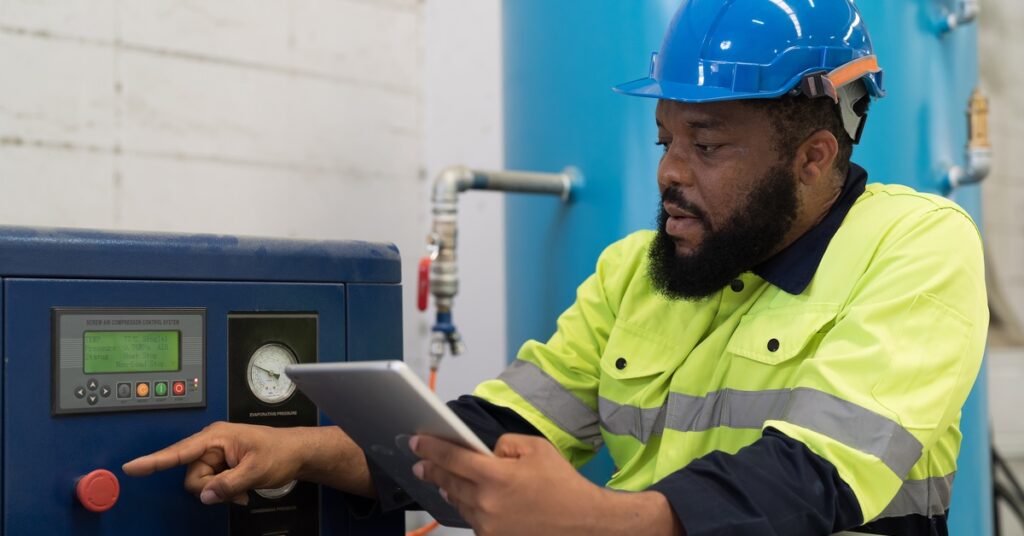
If your tools or machinery are underperforming and struggling to maintain efficiency, it may indicate underlying issues within the compressor itself. Worn seals, clogged filters, or damaged internal components can all contribute to a loss of air pressure, which can affect your operations. A persistent inability to maintain the necessary pressure levels signals that the compressor is no longer able to meet your operational demands. Replacing the unit with a more capable model ensures your equipment functions smoothly and reliably.
5. Leak Issues Are Becoming Common
Air leaks waste energy, reduce system efficiency, and increase operating costs. Small leaks may seem manageable at first, but if they worsen, they can compromise the compressor’s performance and reliability. Leaks often indicate problems such as worn seals or aging components that are no longer functional. If you have to do repairs more frequently or they are no longer effective, consider replacing the unit. Addressing leaks proactively can prevent further damage and improve system efficiency.
6. Increasing Maintenance Costs
Routine maintenance is essential for keeping compressors running smoothly, but when maintenance becomes more frequent and expensive, it’s a sign that the equipment is nearing the end of its lifespan. Aging compressors often require more frequent repairs and replacement parts than new models, which can drive up costs over time. If you’re spending more on maintenance than the compressor is worth, it’s a clear indicator that replacement is the better long-term solution.
7. Poor Quality of Compressed Air Output
As compressors age, their ability to filter and produce clean, high-quality air diminishes. This can lead to contamination issues, such as moisture or oil mixing with the compressed air, that negatively impact the performance of your tools and the quality of your products. Poor-quality air output not only disrupts operations but can also cause damage to sensitive equipment. If your compressor is no longer able to deliver consistent, clean air, a repair alone likely won’t resolve the problem. Upgrading to a newer model ensures better air quality and prevents further complications.

8. Overheating Problems
Compressors operate within specific temperature ranges, but they may struggle to regulate heat as they age. If your unit is overheating regularly, even with good ventilation and regular maintenance, it’s a sign of internal inefficiencies or worn components. Overheating can damage vital parts and lead to complete system failure if left unaddressed. Frequent overheating suggests that the compressor is no longer capable of maintaining cooling, making replacement necessary to avoid irreversible damage and costly downtime.
9. Outdated Technology
Advancements in technology have led to compressors that are more efficient, reliable, and feature-rich than ever before. If your current unit lacks modern features such as smart monitoring systems, energy-saving modes, or enhanced safety mechanisms, it may be holding back your operations. Upgrading to a newer model not only ensures you benefit from the latest innovations but also improves efficiency and reduces long-term costs. Staying up to date with technology allows you to maintain a competitive edge and optimize productivity.
10. Excessive Oil Consumption
A functional compressor consumes oil at a steady rate. However, excessive or irregular oil consumption is a sign of internal problems, such as worn seals, damaged pistons, or leaks in the system. These issues can compromise efficiency and lead to increased maintenance costs. If oil consumption issues persist despite repeated repairs, it may be more practical and cost-effective to replace the compressor altogether. A new unit ensures reliable performance and reduces the risk of ongoing problems.
11. The Compressor’s Age
Every compressor has an expected operational lifespan, typically outlined by the manufacturer. If your unit has surpassed or is nearing the end of this recommended service life, it’s likely experiencing reduced efficiency, increased maintenance needs, and a higher risk of failure. Proactively upgrading to a newer model can save you time, money, and headaches in the long run.
12. Warning Indicators From Diagnostic Systems
If you’re receiving frequent warnings or unresolved alerts, the compressor is struggling to perform effectively. Ignoring these warnings can lead to more severe problems in the future. Instead of pushing the equipment to its limits, exploring replacement options ensures you maintain uninterrupted operations and avoid costly failures. A new compressor with advanced monitoring capabilities can provide greater peace of mind and improved reliability.
When It’s Time to Take Action
Recognizing these 12 signs that it’s time to replace your air compressor can greatly help with maintaining older systems. A proactive approach ensures uninterrupted workflows, reduces risks, and helps you maintain your bottom line. When you notice any of these signs in your current compressor, consider exploring a replacement model. Keeping your equipment up to date offers more confidence in reliability and efficiency.